10 Dec 2025
11 MIN READ
An Overview of Indigenous Groups in the US and Canada
Summary
Indigenous people in North America have been on the continent for thousands of years before Europeans arrived. They have lived across the continent and adapted to a wide range of environments and terrain. Colonization brought an array of trauma, from diseases to displacement. Today, the communities still fight for sovereignty and to protect their original land and resources. They tackle all types of socioeconomic issues to preserve their heritage.
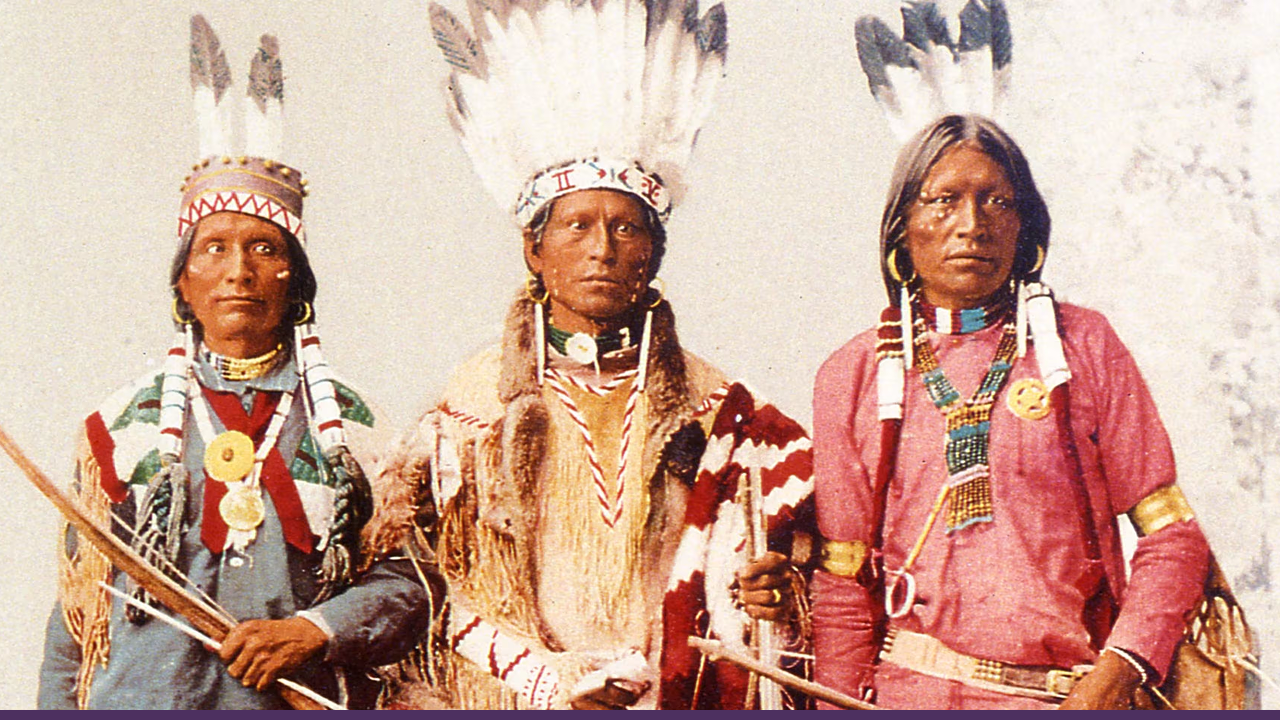
Most scholars divide North America (excluding present-day Mexico) into 10 distinct cultural areas: the Arctic, the Subarctic, the Northeast, the Southeast, the Plains, the Southwest, the Great Basin, California, the Northwest Coast, and the Plateau. Credits: Getty Images
Introduction
Indigenous peoples in the US and Canada represent diverse nations who have lived across North America for thousands of years, shaping history and culture long before European arrival. Their unique cultures continue to influence society today, but their achievements are often underrecognized.
The terms for these groups differ by region and context. In the US, “Native American” is most common, while Canada prefers distinct terms: “First Nations” (for non-Inuit, non-Métis), “Inuit,” and “Métis.” These are not interchangeable; each reflects a distinct cultural and historical identity. “American Indian” is less favored because it carries outdated, colonial associations.
Understanding these distinctions is key to appreciating North American history and the ongoing contributions and challenges of Indigenous communities. Their pursuit of recognition and sovereignty remains central to the cultural and political landscape today.
Historical origins and early migration
The origins of indigenous people are believed to date back to ancient migrations during the last Ice Age, about 15,000-30,000 years ago. A large chunk of the Earth’s water was frozen and turned into glaciers. This created a land connection called the Bering Land Bridge (Beringia)** between present-day Siberia and Alaska. Groups of hunter-gatherers from northeastern Asia moved into the Americas in search of better climates and resources.
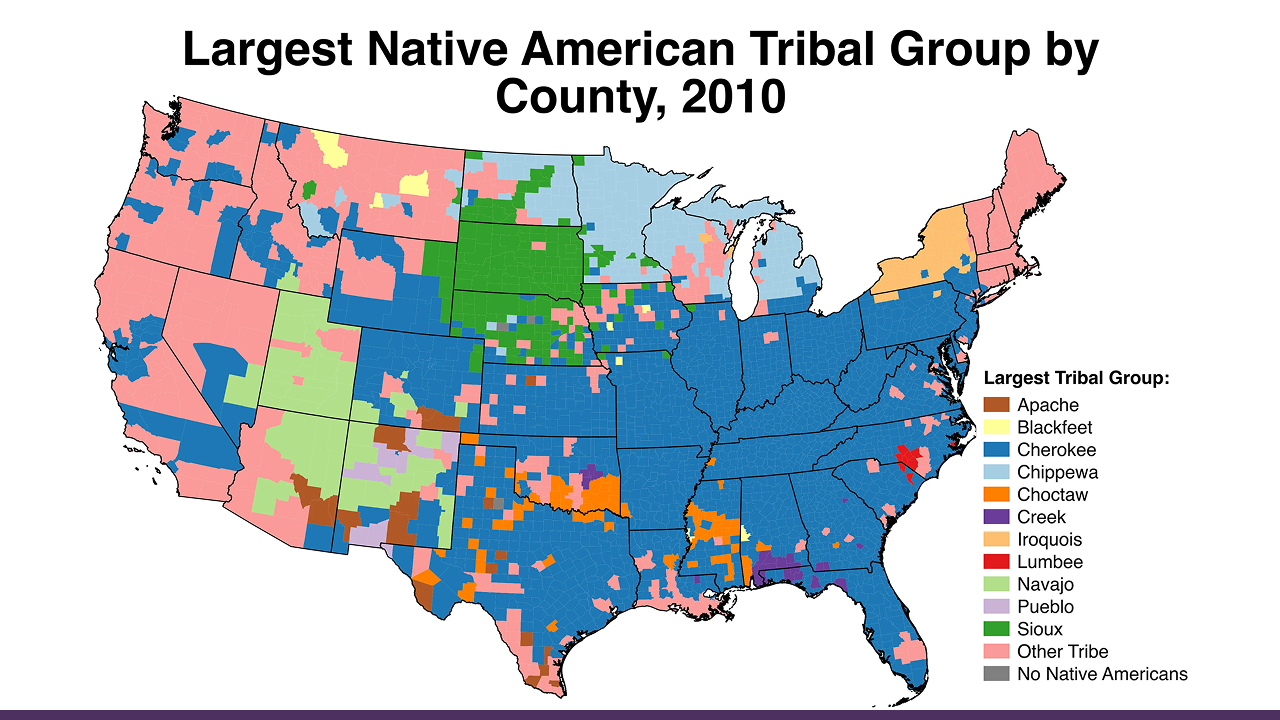
Map showing the largest Native American tribal group by county across the United States in 2010, with color-coded regions representing tribes such as Cherokee, Navajo, Sioux, Chippewa, Apache, and others. Credits: Nick Conway/WordPress via Reddit
Over thousands of years, early indigenous groups spread across the continent. They adapted to a wide range of environments, including Arctic tundra, vast plains, dense forests, and deserts. Archaeological finds, like stone tools and ancient settlements, show that indigenous cultures built complex societies long before meeting Europeans.
Notably, some Indigenous groups critique the Bering Land Bridge theory. Many tribes maintain that their ancestors originated from the continent itself, emphasizing oral histories alongside scientific findings. This ongoing debate influences how migration stories are taught, with calls to balance archaeological evidence and Indigenous narratives in education.
Cultural Regions and Diversity of Indigenous Groups
Indigenous groups in North America are distributed across distinct cultural regions, each shaped by climate, resources, and geography. Many Indigenous nations retain ancestral customs, even as communities have modernized. For ancestry, California has the largest number of people identifying as having Native American heritage, while Oklahoma and Arizona have the highest populations identifying solely as Native American.
Arctic region: This area is home to the Inuit and Aleut peoples. It includes the cold tundra of Alaska, northern Canada, and Greenland. The communities here are adapted to harsh cold. They hunt marine animals like seals, whales, and walruses. They made specialized tools, such as harpoons and kayaks, and built shelters, including igloos and sod houses.
Subarctic region: This region covers much of inland Alaska and Canada. The Cree, Dene, and Innu people lived here. Similarly, people in the Arctic region encountered long winters. However, these areas are more forested, so they were able to make use of them. They mainly hunted, fished, and trapped for food. Snowshoes and birchbark canoes were essential for their daily activities.
Northeast region: This area has many forests, rivers, and coastlines. They lived in longhouses in villages. It supported farming and hunting societies such as the Iroquois (Haudenosaunee) and the Algonquin. Many of these groups practiced mixed farming, growing corn, beans, and squash, known collectively as the “three sisters.”
Point to note: These are just a few of the many groups. There are currently 574 recognized tribes in the US. Canada recognizes 619 First Nations.
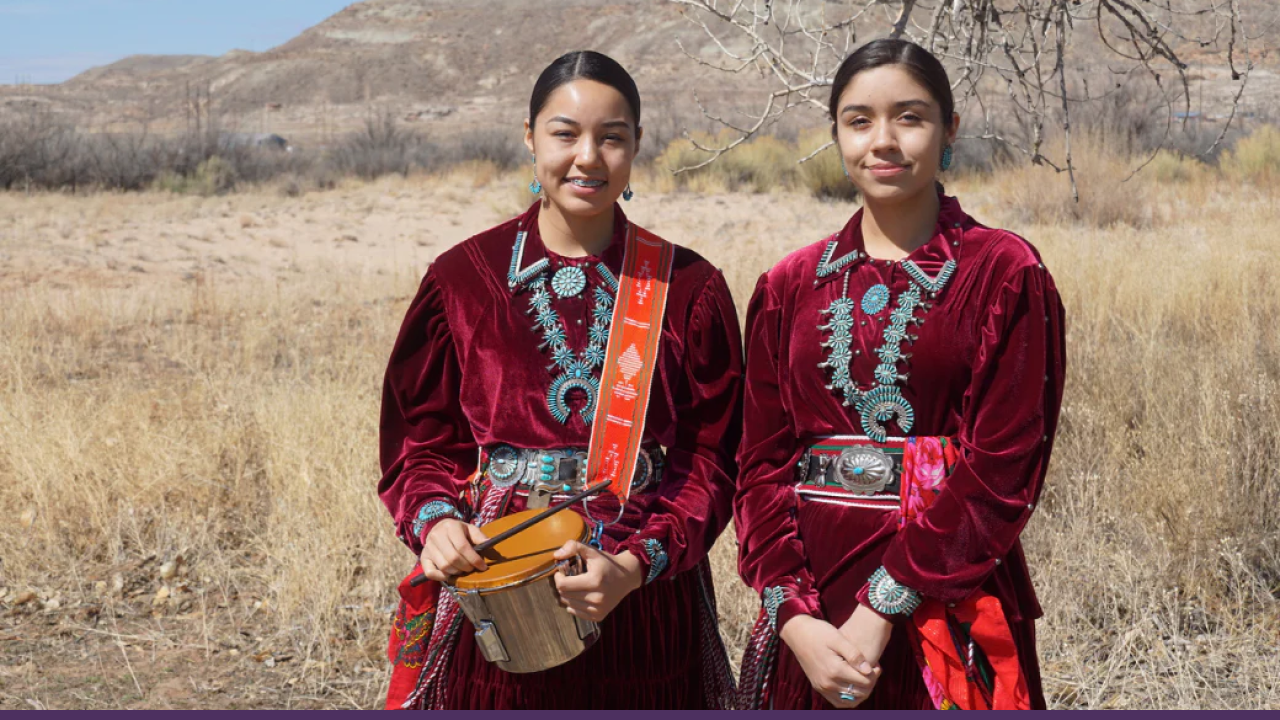
The Navajo Nation is the largest Native American reservation in the US, with over 300,000 members. Known as "Diné" in their language, the Navajo people take pride in their deep-rooted traditions, which have been passed down through generations. Credits: Native Spirit
Southeast region: The Southeast has rich soil and a warm climate. These natural conditions made it suitable for advanced farming communities like the Cherokee, Choctaw, and Creek. These groups built large towns, set up trade networks, and created complex political systems before Europeans arrived.
Many of them were forced out West to Oklahoma and Kansas during the Trail of Tears. Various communities remain in the Southeast US, particularly in North Caroline, where in some towns, such as Cherokee, North Carolina, one can find the Cherokee alphabet.
Plains region: The grasslands of central North America were home to the Lakota, Sioux, Cheyenne, and Comanche tribes. These Plains tribes were known for their nomadic way of life, focusing on hunting buffalo. The arrival of horses changed their transportation and the way they fought in battles. When settlers moved west in the 1800s, it brought a lot of conflict. The US government forced them into reservations and broke many of the treaties. There are still reservations there today.
Southwest region: This arid region was home to the Hopi, Zuni, and Navajo (Diné). These agricultural and architectural innovators built multistory adobe dwellings. They developed advanced irrigation systems to cope with desert conditions. They farmed maize, beans, and squash in the desert. These communities are renowned for their turquoise jewelry.
Learn more about which indigenous lands are in your current location with this app here.
Social Structures and Governance Systems
Indigenous governance systems in North America are varied and not a one-size-fits-all model. They reflect the unique cultural, environmental, and historical contexts of each tribe. Social organization varies by region and is shaped by factors such as resource availability and kinship.
Plains tribes such as the Lakota and Cheyenne formed nomadic and kin-based bands. Their flexible leadership was coordinated around hunting and seasonal movements. Tribes in the Eastern areas with woodlands, like the Iroquois and Cherokee, built more settled communities. These tribes had matrilineal clans and structured decision-making councils.
Traditional governance models usually focused on consensus and community responsibility instead of centralized power. Many tribes depended on chiefs, councils of elders, or clan leaders for guidance. Among the Iroquois, decisions were made in council meetings, where leaders were chosen for their wisdom and ability to represent clan interests. In Plains societies, war chiefs or headmen were honored for skill and bravery. Their authority was often situational and temporary.
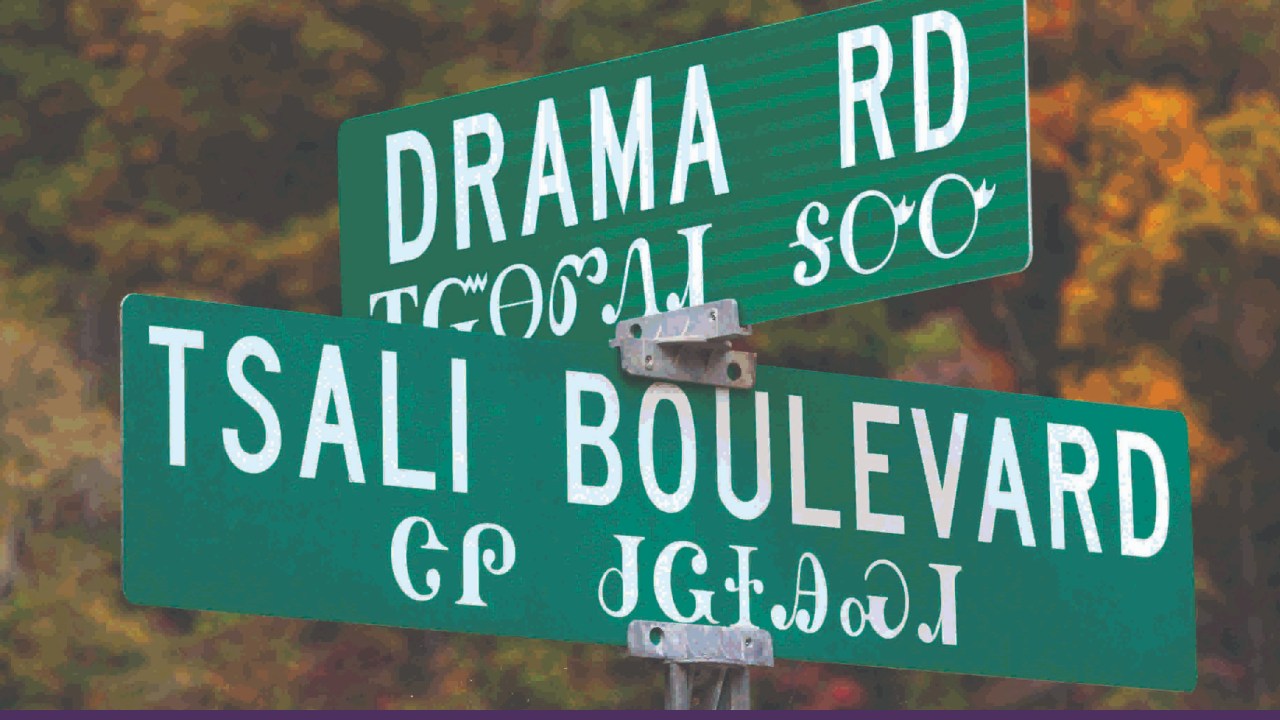
Bilingual Cherokee and English street signs for Tsali Boulevard and Drama Road, highlighting efforts to preserve the Cherokee language in the region. Credits: Shutterstock
Indigenous governance systems show sophisticated leadership and social cohesion. They balance individual and collective needs. These systems can demonstrate how governance adapts to cultural values, environmental conditions, and community priorities. They provide valuable insights into alternative organizational models.
Languages and Linguistic Diversity
Before European contact, North America was a mosaic of Indigenous languages; hundreds were spoken, grouped into more than 300 distinct languages and about 30 major families, representing far greater linguistic diversity than seen in Europe. Today, these languages face critical endangerment, often spoken mainly by elders. This decline is primarily the result of historical government policies, especially forced assimilation through residential and boarding schools, which severely suppressed Native cultures and languages.
In response, communities have launched revitalization efforts: immersion schools, digital resources, and master-apprentice programs that pair youth with elders. Even language apps like Duolingo now support Navajo. These initiatives reflect an ongoing commitment to restoring and preserving Indigenous linguistic heritage for future generations.
Fun fact: Navajo is the most spoken indigenous language in the US.
Impact of European Colonization
European colonization devastated Indigenous peoples through the introduction of diseases such as smallpox, measles, and influenza, to which they had no immunity. This caused mortality rates exceeding 90% in many regions, with entire communities and cultures wiped out. Colonial powers also forcibly enslaved up to 5.5 million Native Americans between 1492 and 1880, subjecting women to sexual violence and forcibly removing children to assimilate them into Christianity and European culture.
Military conquest and forced displacement were central to colonial control. European settlers violently seized lands through warfare, coercive treaties, and forced relocations, often confining Indigenous peoples to reservations with poor conditions, devastating traditional lifestyles and social structures. These combined impacts of disease, enslavement, violence, and dispossession disrupted Indigenous populations and ways of life on a massive scale, forever altering their demographics and cultures.
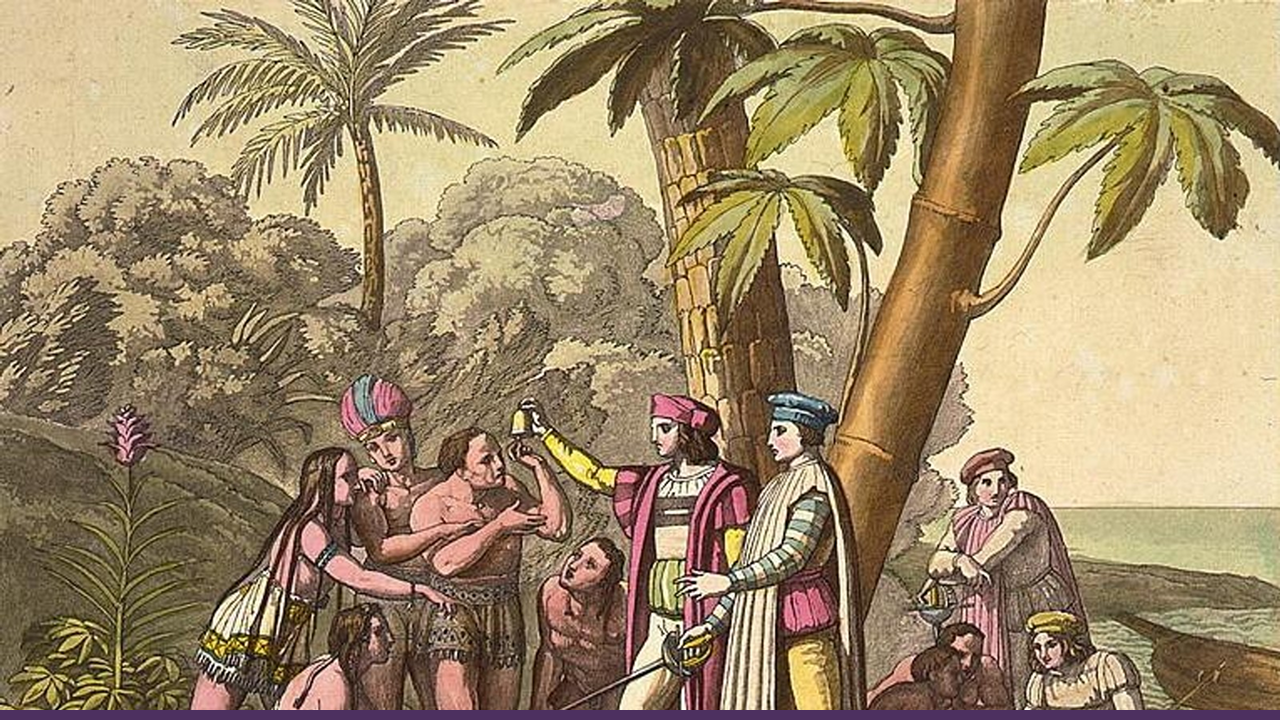
The French and Dutch initially tried to profit from the Native Americans by employing them as guides, hunters, fishers, and trappers, although their ships participated in the slave trade to the south. Credits: World History
The catastrophic population losses, sometimes called the "Great Dying", transformed the Americas. Indigenous numbers fell from an estimated 60 million pre-contact to just 5 to 6 million within a century. These losses were among the largest demographic collapses in human history, caused by epidemics, violent colonization, and systemic displacement.
Modern Challenges Faced by Indigenous Communities
Indigenous communities in Canada and the United States continue to face significant challenges in protecting their rights and sovereignty. Many tribes seek recognized political representation and the ability to govern their own affairs, including managing resources and preserving cultural traditions. They often navigate complex legal and political systems that have historically marginalized their authority and ignored treaty obligations.
Land rights remain a critical issue. Many treaties signed long ago are still contested, leading to ongoing conflicts over territory, resource access, and land management. Control over traditional lands is essential for Indigenous economic survival and sustaining cultural and spiritual connections to ancestral territories. Efforts to negotiate and uphold these rights are frequent sources of legal disputes.
Beyond political and legal struggles, Indigenous peoples confront social and economic hardships. Access to quality healthcare, education, and infrastructure is limited in many communities, contributing to higher poverty rates and worse health outcomes, including lower life expectancies. Issues such as substance abuse, mental health challenges, suicide, and overrepresentation in the criminal justice system persist, underscoring systemic inequalities affecting Indigenous populations in both countries.
Terminology and Respectful Language Use
Language referring to Indigenous peoples of North America has evolved, reflecting respect and understanding of their diverse identities. The term “Indian” originated from Christopher Columbus’s mistaken belief that he had reached the Indies; this misnomer persisted for centuries but is now widely seen as outdated and linked to colonial biases. Some still use “American-Indian”, but it is less common.
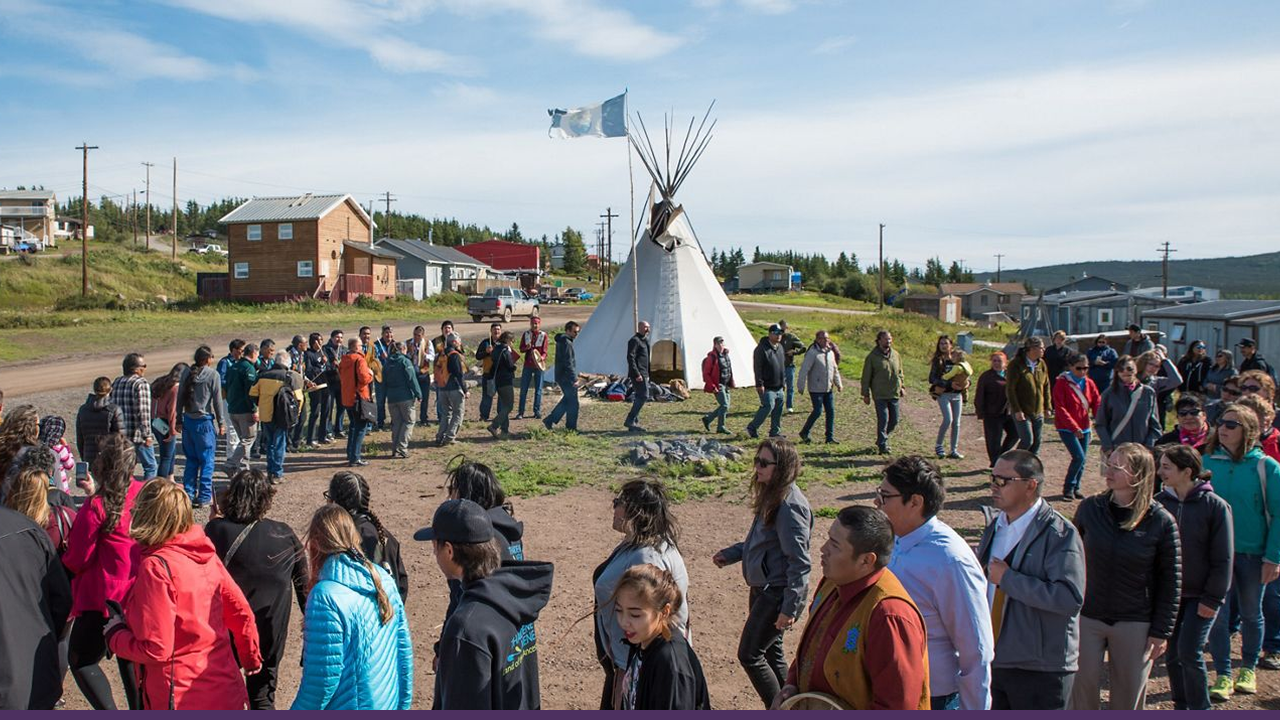
Indigenous people have historically faced higher unemployment rates than non-Indigenous people. The higher unemployment rate is associated with lower levels of education. Credits: Nature United
Today, preferred terms include “Indigenous”, “Native American”, or, more precisely, individual tribal names, recognizing the distinct cultures, languages, and histories of each nation. Using specific tribal names, such as Lakota, Navajo, or Cherokee, honors unique identities and avoids broad generalizations. It is also essential to capitalize tribal names to show respect and acknowledge their status as distinct peoples. Adopting accurate, respectful terminology reflects sensitivity to historical context and promotes dignity in referring to Indigenous peoples.
People Also Ask
What are some of the major Indigenous cultures of the United States and Canada?
Some common cultures are Inuit, Cree, Apache, Blackfeet, and Cherokee.
What are the Indigenous groups in Canada?
The Indigenous groups in Canada are First Nations, Inuit, and Métis.
What are the Indigenous groups in the United States?
The US has over 500 recognized groups. Some of the more commonly known ones are Navajo, Pueblo, Cherokee, and Lakota.
How many Indigenous groups were there in Canada?
There are over 600 recognized indigenous tribes in Canada. They represent about 5% of the population.
What are the five Indigenous groups?
The “five Indigenous groups" refer to the five first civilized tribes: the Cherokee, Chickasaw, Choctaw, Creek, and Seminole.